
The phrase comes from E. F. Schumacher’s Small Is Beautiful: A Study of Economics as if People Mattered. Schumacher challenged the assumption that bigger, faster and more productive must always mean better. Drawing on what he called “Buddhist economics”, he argued that economic activity should support human wellbeing, meaningful work, strong communities and responsible use of the natural world—not simply maximise growth and consumption.
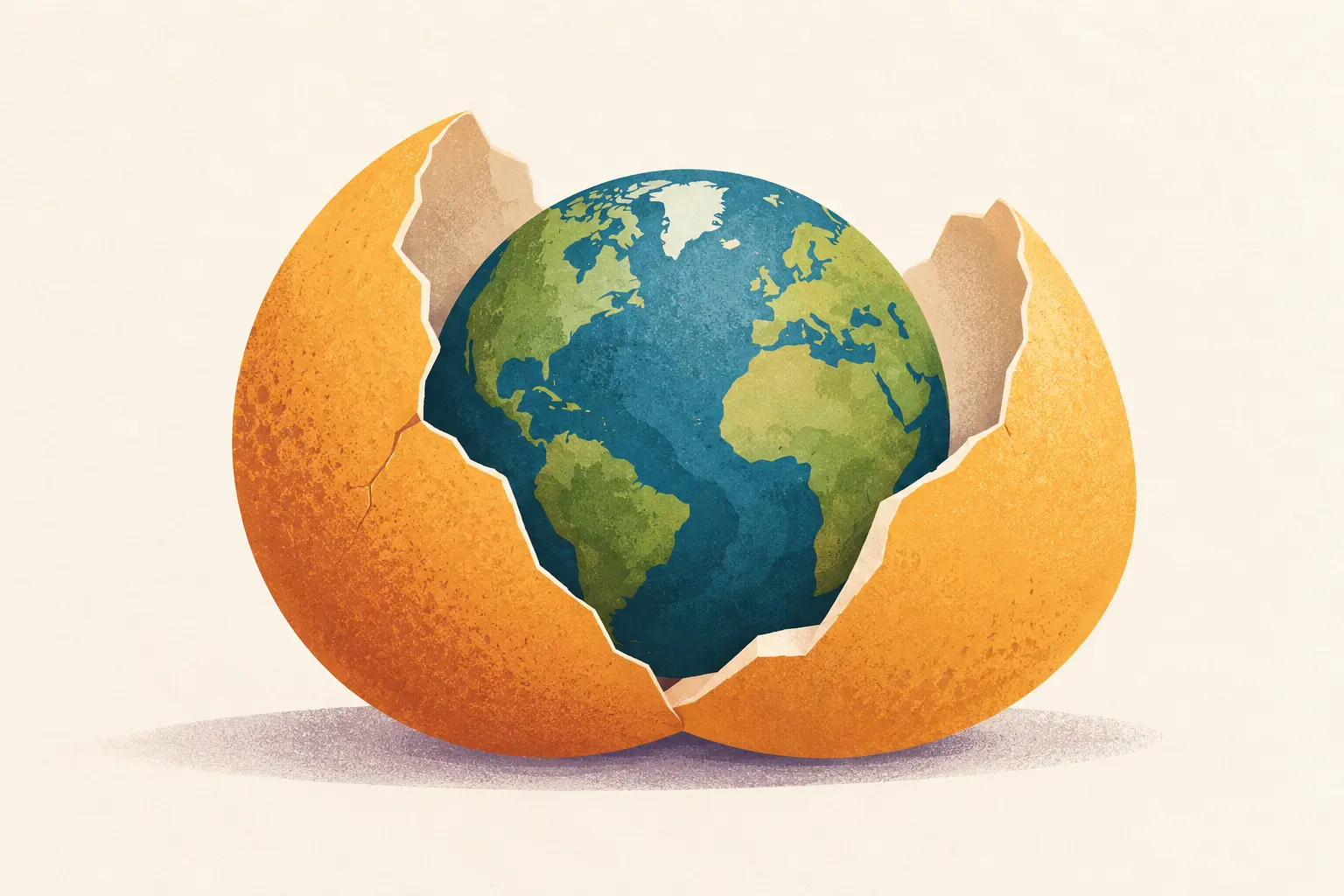
Schumacher argues that modern economies behave as though the natural world were an unlimited source of materials and an endless dumping ground for waste. Fossil fuels and other finite resources are treated as income to be spent, when they are really natural capital inherited from the past. An economy built upon consuming that inheritance cannot continue indefinitely. For Schumacher, genuine prosperity is therefore not simply the accumulation of more goods; it is the ability to live well, securely and meaningfully within the limits of the planet.
This thinking shapes Barefoot Research and Evaluation’s approach. We pay attention to the small, nuanced effects that conventional measures can miss: how a service feels to the people using it, where apparently minor barriers affect access, and what decisions mean for communities and the environment. Our carbon-offset calculations are one example—looking beyond headline figures to understand the real implications of an organisation’s choices. For us, small is beautiful because details matter, scale matters, and meaningful change often begins with impacts that are easily overlooked.
Further reading
E. F. Schumacher, Small Is Beautiful: A Study of Economics as if People Mattered (1973).